최근 FDA(미국 식품의약국)가 건강 추적 기기에 대한 관심을 보이고 있습니다. 이러한 기기 중 하나로 칫솔이 당뇨병을 감지할 수 있다는 연구 결과가 주목받고 있습니다. 이는 일상생활에서 건강 관리를 돕는 새로운 기술의 가능성을 보여줍니다.
CES 2026: Health Tracking Gadgets Under Regulatory Scrutiny
CES 2026 showcased a wide range of health-tracking devices, from toothbrushes that can detect diabetes to mirrors that assess long-term disease risks. However, as these devices become more advanced and make bolder health claims, they are facing increased regulatory scrutiny from the FDA.
Companies like Oura Health are taking a cautious approach, prioritizing accuracy validation over speed to ensure their health claims are scientifically sound before release. This is crucial as the line between consumer electronics and medical devices becomes increasingly blurred.
Innovative Health Tracking Devices at CES 2026
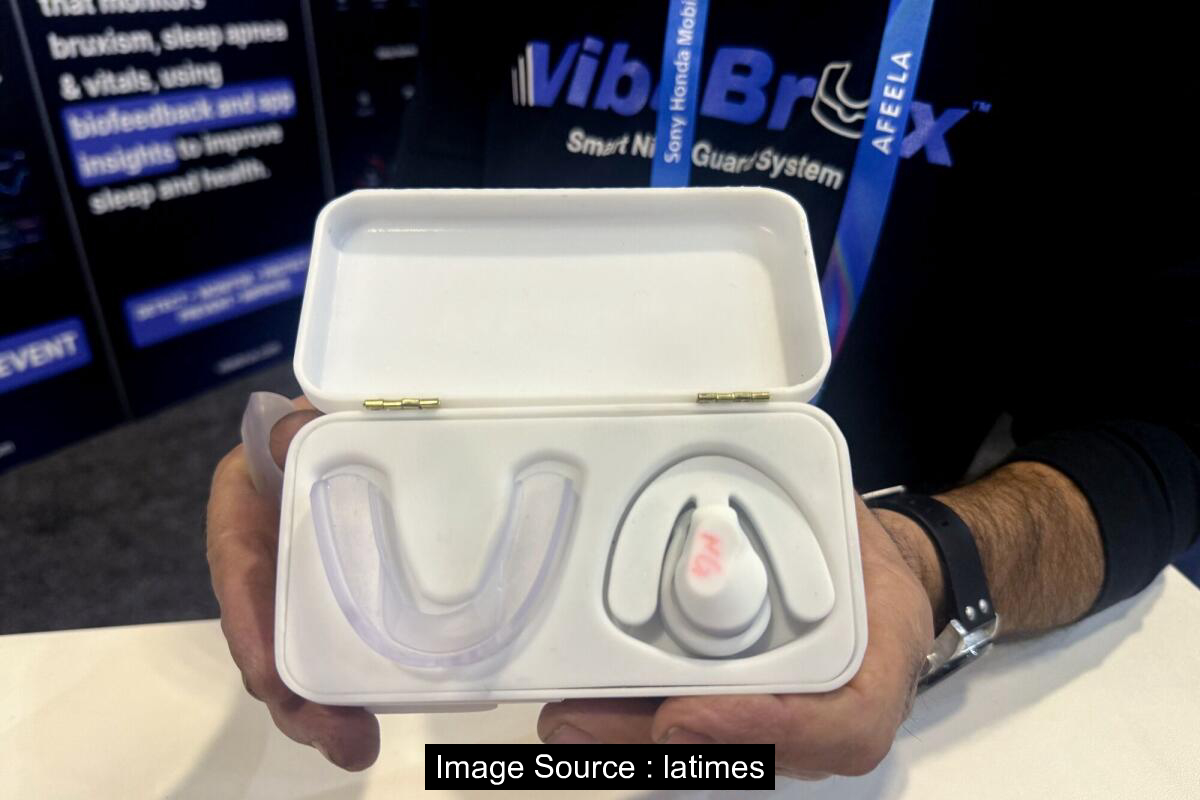
At the CES trade show, attendees encountered a diverse array of health-tracking gadgets, including toothbrushes, bathroom scales, and even a smart night guard. These devices are making increasingly audacious claims, promising insights into cardiovascular health and long-term disease risk.
For example, the NuraLogix Longevity Mirror performed a 30-second wellness check using computer vision and AI, analyzing subtle blood-flow patterns to estimate long-term health risks up to 20 years into the future. Similarly, the Y-Brush toothbrush claims to be able to detect up to 300 health conditions, including early-stage diabetes, digestive disorders, and liver disease, without requiring a drop of blood.
Regulatory Challenges and Cautious Approaches
As these health-tracking devices become more advanced, they are facing increased regulatory scrutiny from the FDA. Companies like Withings and Whoop have experienced delays in the approval process, as the FDA examines whether these devices are functioning as medical devices and require the proper authorization.
In response, some companies are taking a more cautious approach. Oura Health, for example, is deliberately moving slowly as it explores more medical-grade insights, prioritizing accuracy and validity over speed. The company is currently part of a large-scale study comparing data from the Oura ring with readings from a traditional blood-pressure cuff to demonstrate the accuracy of its health-tracking capabilities.
The Future of Health Monitoring in Consumer Electronics
The consumer tech industry has been quick to add more health-monitoring features to smartwatches and other wellness gadgets. However, these new features have been subject to regulatory scrutiny, with companies like Withings and Whoop facing delays and warnings from the FDA.
Despite these challenges, the industry is continuing to push the boundaries of health monitoring. Companies are working towards goals like non-invasive glucose monitoring, and partnerships between tech and healthcare companies, such as Withings and Abbott Laboratories, are emerging. As the line between consumer electronics and medical devices continues to blur, the industry will need to navigate the complex regulatory landscape to ensure the safety and accuracy of their health-tracking claims.